
Accessing Vet Care Outside of Clinic Hours
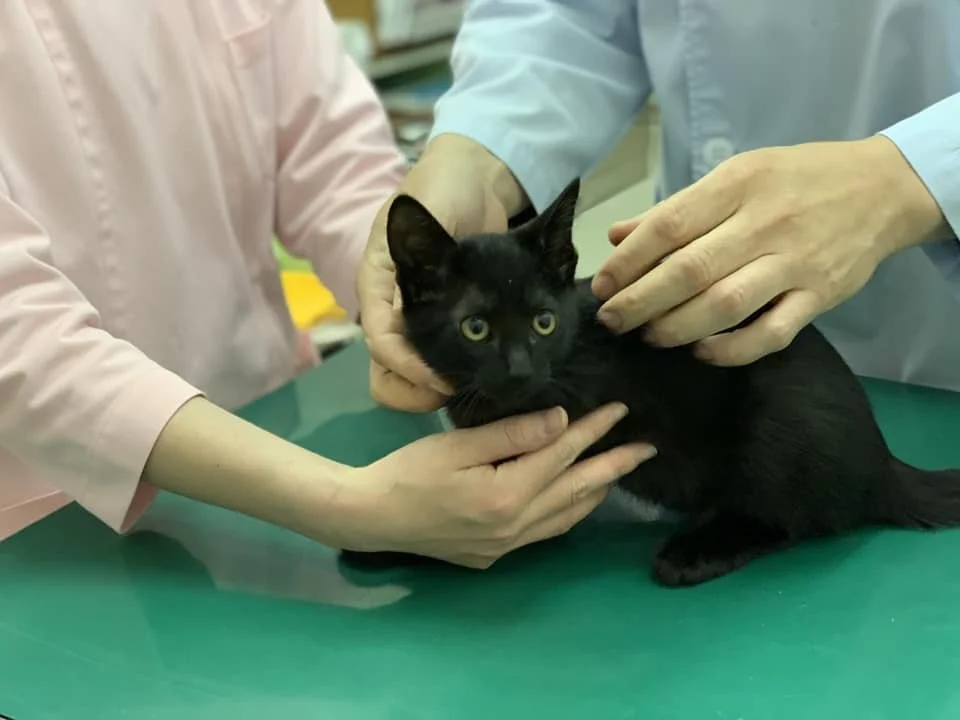
It’s an awful feeling when your animal family member suddenly has a health concern at a time when your regular clinic is closed. Most guardians have or will face this particular crisis at one time or another. Like many aspects, preparation is the key for navigating these stressful events as successfully as possible. For this #wisewednesday, we want to talk about accessing vet care outside the normal clinic open hours. Here are some tips for planning ahead.
Tip 1: Keep a list of your nearest after-hours clinics
Searching for a clinic with abnormal hours can be particularly difficult for non-native speakers/readers, so it’s a task that you may need Japanese language help with. Some clinics that offer extended hours won’t necessarily show up on a typical search, while clinics that don’t have any listed hours will likely show up. The easiest way to tackle this issue is to search for key terms, a few being: animal hospital, animal clinic, and/or veterinarian (translated into the Japanese language) on a map application which is already open to your area, during a time when clinics would normally be closed. Any clinic in green usually signifies that it’s open and can be a potential candidate. However, you will want to have a number of options, starting with the closest. Under the list of potential clinics, you will also want to create a game plan on how to get there (in the case of an emergency). In some cases, the nearest clinic may already be full and unable to see any other patients at the time, so it’s important to have backup options ready.
Tip 2: Plan ahead and use your regular vet whenever possible
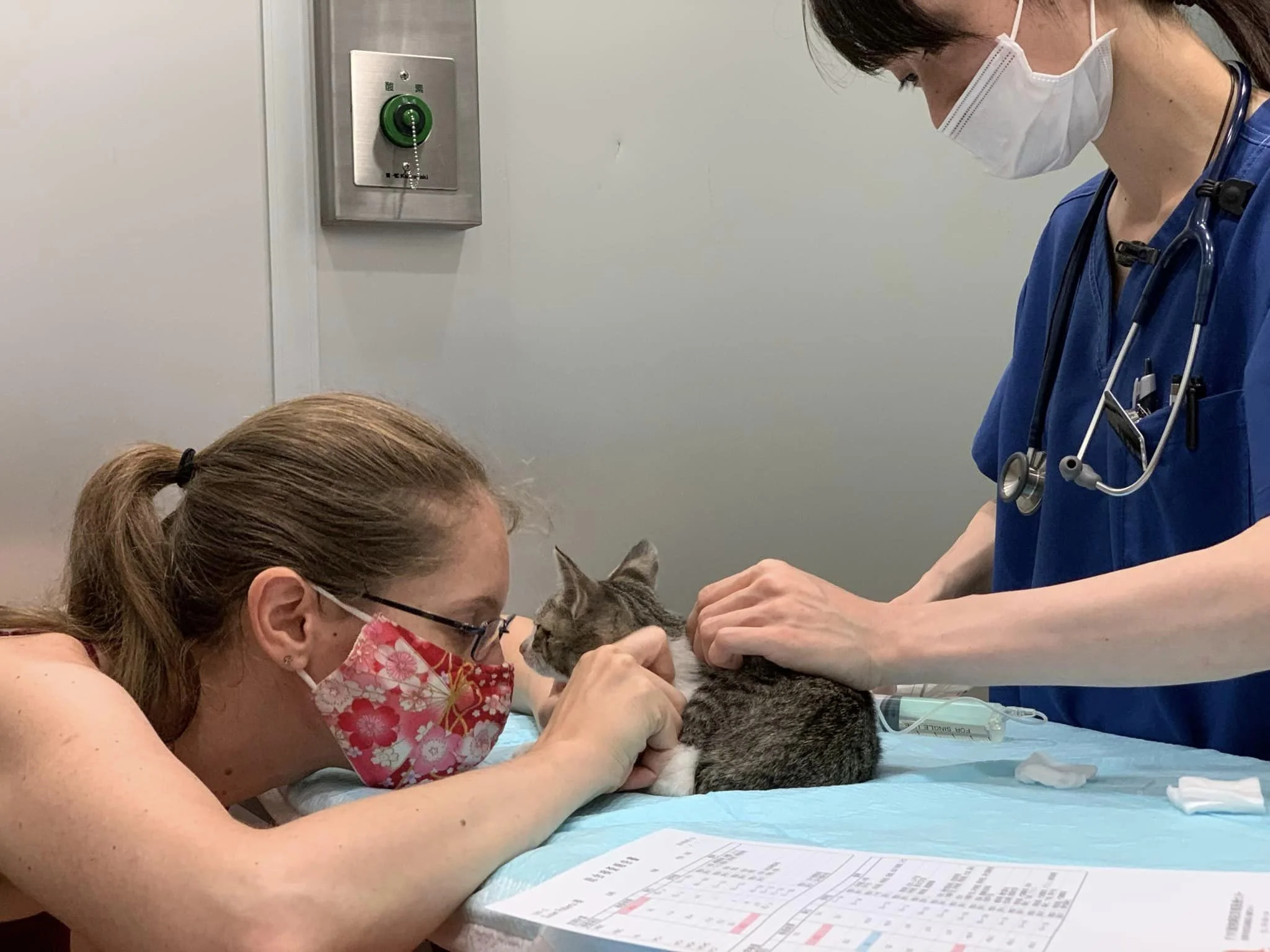
Monitoring your cat’s health is essential, a key way to do this is to keep a close eye on its appetite and to look for any red flags like: vomiting, diarrhea, lack of activity, and/or urinary straining. Any of the listed responses from your cat is a sign that you should take it to your regular veterinary clinic to ensure that it’s in good health.
Beyond the convenience and cost factors, it’s preferable to see a vet who already knows and has previously treated your animal. If you have any concerns, save yourself time, stress, and money by going in proactively before the clinic closes. Keep in mind that this applies to afternoons as well as nights, since most clinics in Japan normally close between noon and 5pm. It’s also worth asking your vet clinic ahead of time about what their policy is regarding emergencies. Is the vet ever willing to come in? Are you able to reach out for advice via LINE? If so, until what time? You should also ask if there is an ER clinic that they would recommend.
Tip 3: Understand the limitations of a typical ER
Clinics that are open 24 hours often focus on prop-up care, meaning that they will offer life sustaining procedures and treatments but not diagnostics. The main goal will be to stabilize any urgent condition until it can be further evaluated and addressed during normal hours. Even in regular clinics that offer after-hours care, you will pay a premium for any diagnostics requested at those times. In either case, staff on duty will often be the younger, and less experienced doctors and/or technicians. Another limiting factor is language; While many clinics offer English speaking services during normal hours, this is almost never the case during after-hours. Be prepared to bring along a fairly fluent speaker or at least to be able to skillfully use good translation software.
Tip 4: Clearly ask about all costs ahead of time
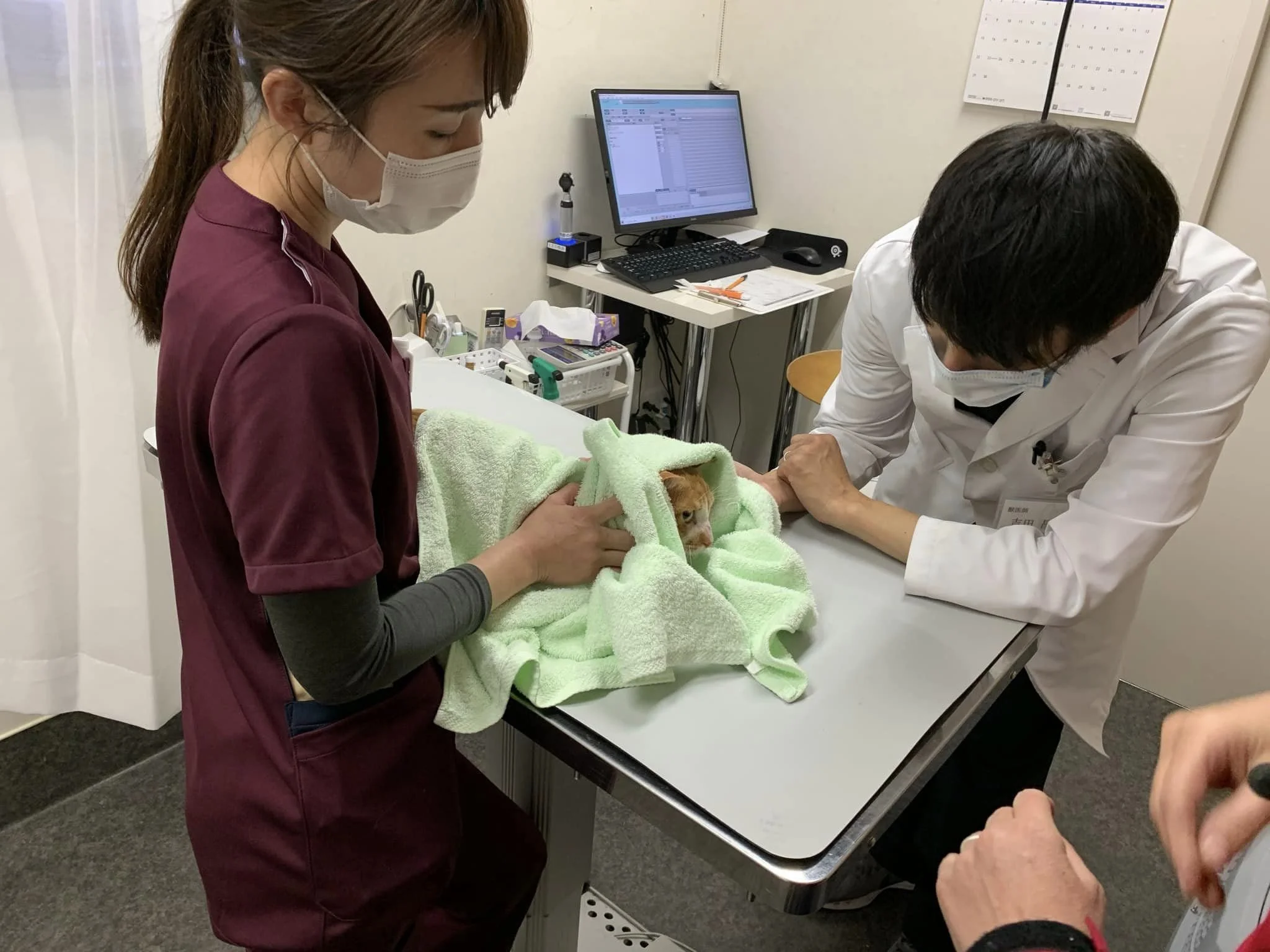
Do not be afraid to ask what everything will cost, even calling ahead to do so. Most clinics that open outside normal hours will charge a high minimum base fee. Every procedure done after that will likely come with an additionally higher fee. Depending on the situation, especially if hospitalization is required to stabilize until morning, you could easily face charges of more than ¥50,000 for that one night. You will need to have the ability to pay at least some, if not all, of these charges on the spot. It’s important to keep in mind that overall costs can quickly escalate further in cases where a follow up treatment is also needed in order to address an underlying issue–for example, a blockage needing surgery.
Tip 5: Plan for emergencies in your budget
While vet care can be expensive, regret almost always costs more. Try to keep enough funds available so that you have the freedom to get to a vet whenever you think that is needed. Take the time to carefully consider how you will feel if the worst happens–your animal family member passes away unexpectedly, without being able to see the vet. There are a number of life threatening issues that can be resolved with proper immediate care. It’s tragic to feel that you could have done more to turn things around, with the right resources, and that your animal family member might have otherwise recovered to live a normal life. Without any proper evaluation, you might never know.
Don’t leave emergency vet care research until a time when you are also coping with the emergency. Start collecting data on your nearest clinics right now, and put money aside for that potential rainy day. It’s also important to know what kind of symptoms or signs indicate an emergency.
Find more information and resources in the links below: